
Napa
The walkable heart of Napa Valley—riverfront promenades, tasting rooms, Oxbow Public Market, and a launch point for vineyard drives.
Interactive map loading… View on OpenStreetMap
38.2975, -122.2869 · OSM
- Type
- city
- Region
- Napa Valley
- Season
- Best April, May, June
- Access
- Near OAK
About Napa
The walkable heart of Napa Valley—riverfront promenades, tasting rooms, Oxbow Public Market, and a launch point for vineyard drives.
Promenades, public art, and bridge views linking hotels to chef-driven dining. Allow extra time for parking, reservations, and seasonal crowds typical of Napa Valley destinations. Indoor market hall for local cheese, oysters, coffee, and quick bites between tastings. Allow extra time for parking, reservations, and seasonal crowds typical of Napa Valley destinations. Walkable clusters along First Street—sample valley labels without long drives. Allow extra time for parking, reservations, and seasonal crowds typical of Napa Valley destinations. Scenic rail lunches and dinners toward St. Helena—reserve early for holiday seats. Allow extra time for parking, reservations, and seasonal crowds typical of Napa Valley destinations.
Know before you go
- Designated drivers: Urban tastings still add up—use rideshares or walking routes when sampling multiple rooms.
- Harvest traffic: September and October congest Highway 29—book tastings with timed entries.
- Heat spikes: Summer valley afternoons run hot—schedule outdoor river walks for morning or evening.
- Reservation culture: Popular restaurants and trains require advance booking on weekends.
- Forecast: Morning fog burns off inland—check the National Weather Service panel before balloon or bike plans.
- Reservations: Popular restaurants, tastings, and tours often require advance booking on weekends and holidays.
How to get to Napa
Downtown Napa anchors the city of Napa at the southern end of Napa Valley, where Highway 29 and the Silverado Trail meet the Napa River. Oakland International (OAK) and San Francisco (SFO) are the usual Bay Area airports; Sacramento (SMF) works for visitors driving from the north.
Napa Valley Wine Train departs near the riverfront; many tasting rooms sit within walking distance of First Street hotels, reducing need for constant driving once you are parked.
- Fly into OAK, SFO, or SMF OAK often balances distance and traffic for East Bay arrivals; SFO adds bridge crossings; SMF suits Sacramento-linked itineraries.
- Drive Highway 29 into Napa Weekend traffic stacks near downtown exits—arrive before late morning on harvest Saturdays.
- Park near Oxbow Public Market or riverfront Garages and lots serve walkable restaurant rows—avoid repositioning the car between tastings.
- Use wine train or tour vans for valley days Let operators handle Highway 29 driving when you plan multiple distant wineries north of town.
Plan your visit
Best months
April, May, June, September
Typically the most comfortable months for weather and crowds.
Nearest airport
Oakland International Airport (OAK)
About 61 minutes by car, depending on traffic.
Highlight
Riverfront · Dining · Oxbow Market
The walkable heart of Napa Valley—riverfront promenades, tasting rooms, Oxbow Public Market, and a launch point for vineyard drives.
Plan two nights if you want riverfront dining, Oxbow Market grazing, and separate days for Carneros or Stags Leap districts. A single night works for urban wine bars and walking tastings without leaving downtown.
Riverfront rhythm: Napa River Trail and restored mill district pair public art with chef-driven restaurants—sunset strolls before reservations are a local ritual.
Tasting rhythm: Urban tasting rooms cluster along First and Main—ideal for pedestrians using spittoons and rideshares instead of long highway hops.
Market rhythm: Oxbow Public Market gathers local cheese, oysters, and coffee under one roof—rainy-day insurance for valley trips.
Who it’s for: Couples wanting city amenities with wine country access, food-focused travelers, and visitors who prefer hotels over remote vineyard B&Bs.
Budget tips: Downtown happy hours and market bites offset formal tasting fees. Midweek lodging dips below fall crush weekends.
Practical pacing: Most visitors budget two full days for Napa—one for signature sights and one for a slower neighborhood or outdoor block without rushing between parking lots.
Regional context: Napa anchors Napa Valley itineraries where wine country, riverfront, dining, oxbow market show up in everyday planning. Oakland International Airport (OAK) is the primary gateway listed here—budget roughly 61 minutes by road before traffic and stops.
Seasonal window: April, May, June, September often balance comfortable weather with event calendars—still pack layers because microclimates and elevation swings are common across California.
Who it suits: Road-trippers linking nearby towns, weekenders from major metros, and travelers who want a local base rather than only marquee attractions an hour away.
Napa: FAQ
What is downtown Napa known for?
Riverfront dining, Oxbow Public Market, walkable tasting rooms, and as the southern gateway to Napa Valley wineries.
Is downtown Napa the same as Napa Valley?
Downtown is the city center of Napa; the valley extends north through Yountville, St. Helena, and Calistoga with hundreds of wineries beyond town.
What is the closest airport to downtown Napa?
Oakland International (OAK) is about 61 minutes by car. Sacramento (SMF) is a similar drive east.
Do you need a car in downtown Napa?
Walking works for downtown and Oxbow; a car or guided tour is needed for most vineyard visits up-valley.
When is the best time to visit downtown Napa?
April–June and September–October balance weather and events. Harvest weekends in fall are busiest—reserve early.
How far is downtown Napa from San Francisco?
About 50 miles north—often 1–1.5 hours depending on bridge traffic and time of day.
How many days do you need in Napa?
Two days cover highlights without rushing; add a third if you are pairing Napa with neighboring Napa Valley towns or a long outdoor day.
What is Napa known for?
Napa is known for wine country, riverfront, dining, oxbow market within Napa Valley—use this page’s sections for how to reach airports, trails, and dining clusters.
When is the best time to visit Napa?
April, May, June, September are strong months on this page’s calendar—still check the live National Weather Service forecast before outdoor plans.
What should visitors expect in Napa this fall?
September falls in the stronger window for Napa (April, May, June, September). Expect typical fall conditions—pack layers, book popular lodging early for weekends, and check live National Weather Service forecasts on this page before outdoor plans. Crowds and rates are usually higher around holidays.
More places near Napa Valley

Nearest beaches


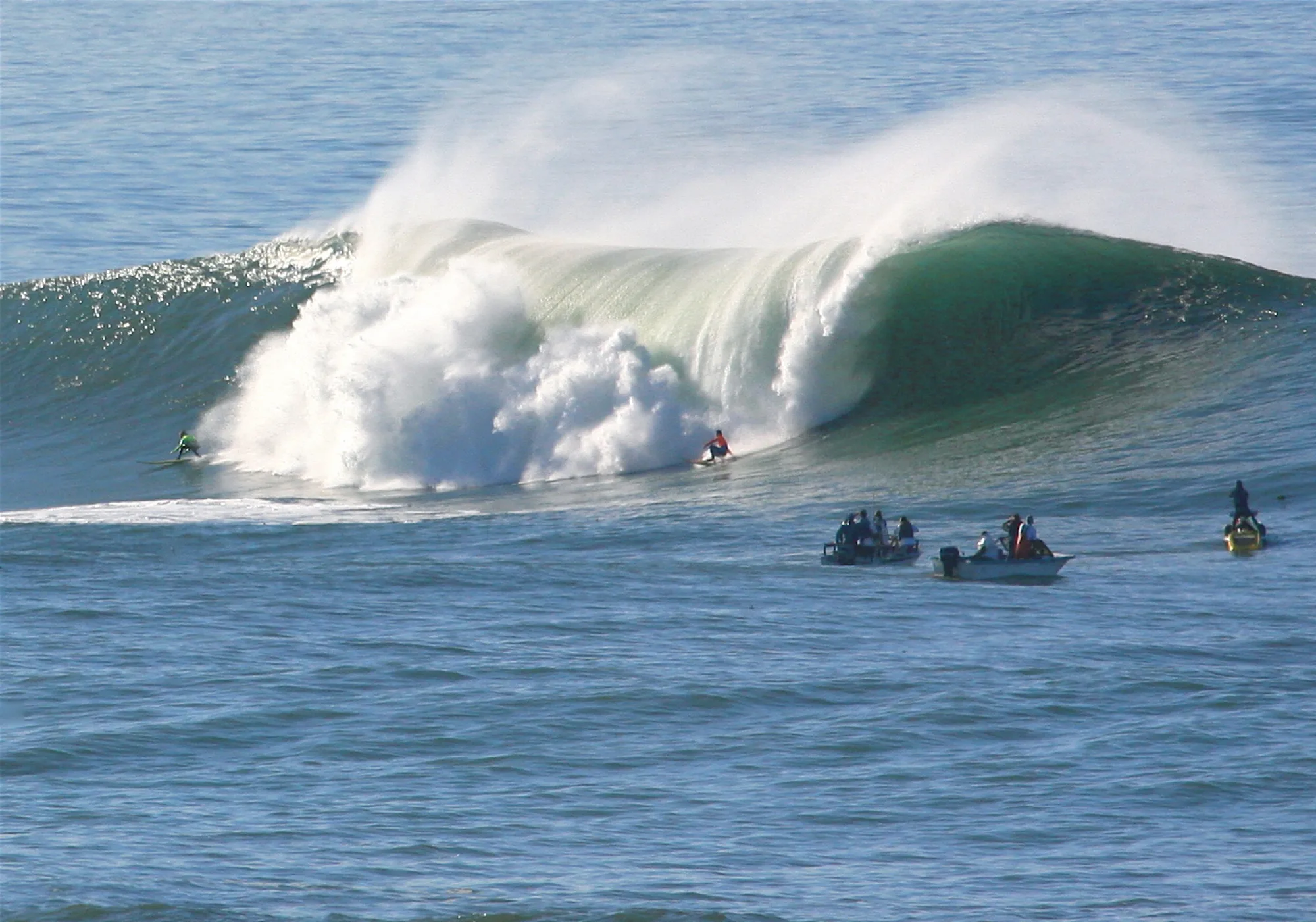


Photo: Wikimedia Commons