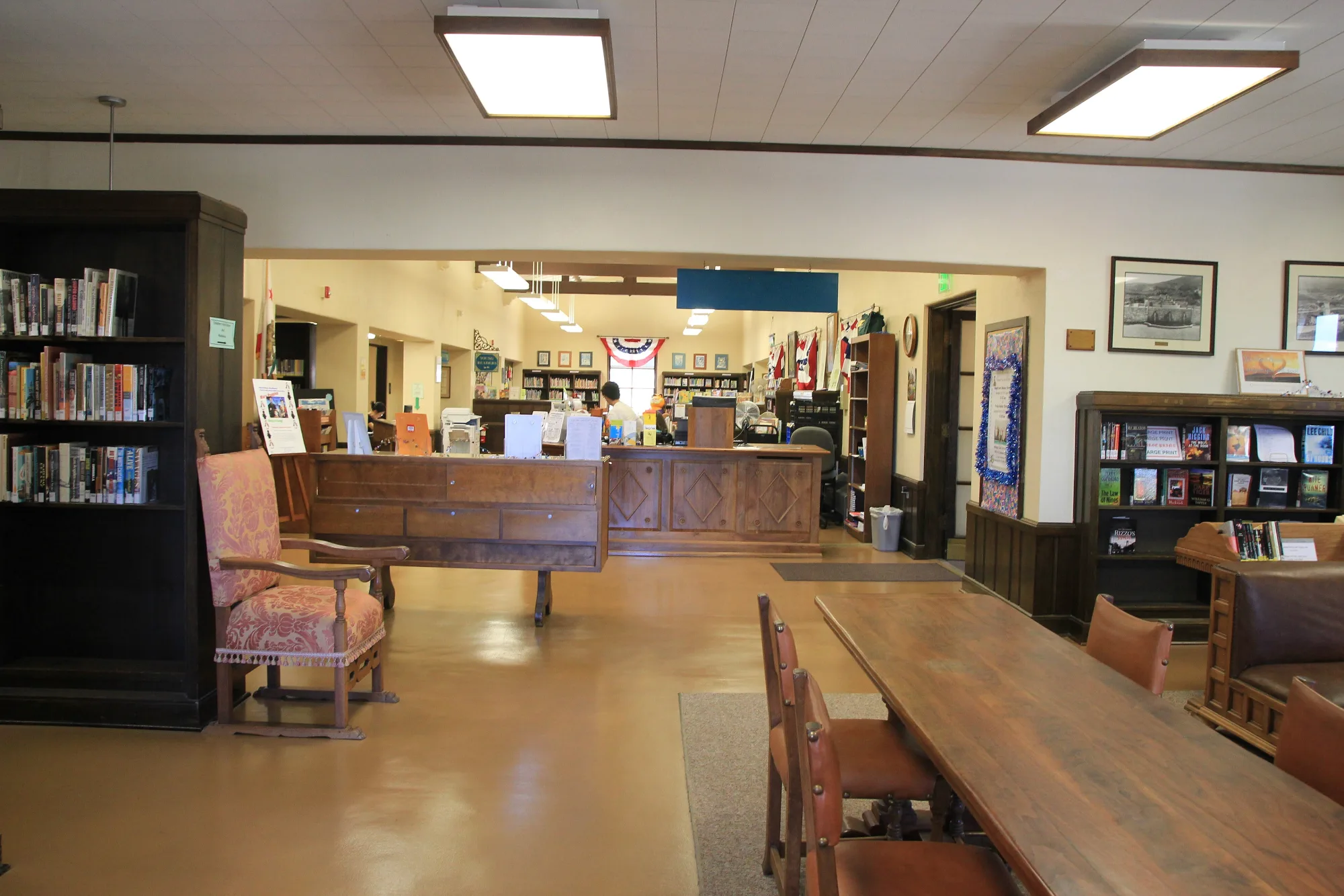

Deserts is one of California’s core travel regions—use it to cluster lodging, day trips, and weather expectations before you stitch a statewide itinerary.
Why plan around Deserts
Palm oases, national-park gateways, and dark-sky basins east of the mountains. Treating Deserts as a planning unit keeps drives realistic: most visitors enjoy the region more when they pick one primary base and one secondary outing instead of crossing the entire state in a single day.
Gateway towns such as Palm Springs, Joshua Tree, Twentynine Palms, plus Borrego Springs, Barstow give you services, evening options, and easy access to desert hiking, wildflower years, sand dunes, and stargazing.
How to structure a visit
Start with your season and travel party, then choose a primary overnight base near the experiences that matter most. California trips stall when every hour is ticketed—leave white space for fog, parking, and spontaneous neighborhoods.
- Confirm park, road, and air-quality alerts the morning you depart.
- Budget parking or rideshare separately from attraction tickets.
- Keep one flexible meal block so wait times do not derail the day.
- Download offline maps before rural or canyon stretches.
Seasons and weather reality
November–April is prime for hiking. Summer heat is serious—dawn starts or indoor days only.
Pack layers even in warm months—microclimates shift quickly between coast, valley, and elevation. Wildfire smoke and winter storms can close roads; always keep an indoor or alternate-region backup.
Getting around
I-10, I-15, and CA-62 are main approaches. Carry water, watch AQI in fire season, and avoid midday ridge hikes in July–August.
If you only have a short window, protect transit time on both sides of your headline stop. Longer trips can sequence two related experiences with a scenic transfer instead of a freeway-only hop.
Outdoor and nature focus
Signature outdoor time in Deserts centers on desert hiking, wildflower years, sand dunes, and stargazing. Match energy levels: pair an active morning with a café or shoreline buffer. Watch accessibility details such as stairs, sand, shuttle gaps, and stroller rules.
Where to go next
Continue with TripCali place and trip pages that sit inside or beside Deserts:
Also browse the statewide Places To Visit, California road trips, and Things To Do hubs when you are ready to connect regions.
TripCali publishes independent travel guidance. Details here are planning notes—always confirm hours, prices, accessibility, and safety conditions with official operators before you go.
People also ask
What is the Deserts region known for?
Palm oases, national-park gateways, and dark-sky basins east of the mountains. Use towns like Palm Springs, Joshua Tree, Twentynine Palms as practical overnight bases while you explore the surrounding outdoors and day trips.
How many days do I need in Deserts?
Most travelers enjoy two to four focused days in one region before moving on. A single overnight works for a sampler; a week lets you slow down without freeway fatigue.
Do I need a car in Deserts?
Urban cores may support transit for a day, but most regional itineraries still need a car or tour transfer for parks, beaches, and scenic corridors. Confirm last trains or ferry times before night drives.
When is the best time to visit Deserts?
November–April is prime for hiking. Summer heat is serious—dawn starts or indoor days only.
What should I pack for Deserts?
Layers for California microclimates, reusable water, sunscreen, offline maps, and any park or timed-entry reservations. Comfortable shoes matter more than formal outfits for most stops.
Photo: Wikimedia Commons / Roc1233